Marktplaats Fees Explained: The 2026 Cost Breakdown for Dutch Resellers
Marktplaats charges zero insertion fees for standard private listings in most categories, but generates revenue through paid visibility boosts like Top-adverteerders, Omhoogplaatsen, and commercial Admarkt bidding models. Commercial sellers pay per click, while private sellers face category limits before transaction fees or paid bumps apply.
Key takeaways
- Private listings remain free in most standard categories up to account tier thresholds
- Paid visibility options like Omhoogplaatsen and Top-advertentie cost between €2.50 and €15.00 per cycle
- Admarkt runs on a Pay-Per-Click model with category-dependent minimum bid floors
- Professional accounts require structured monthly budgets and careful click tracking to protect margins
- Cross-listing inventory to alternative platforms helps hedge against local fee and visibility spikes
Navigating the fee structure of the Netherlands and Flanders’ largest peer-to-peer marketplace can feel like parsing a moving target. If you are scaling your reselling operation, understanding every cent that leaves your balance sheet is the difference between a thriving side hustle and working for free. When Marktplaats fees explained searches spike, it is usually because a seller got hit with unexpected charges after renewing an ad, pushing an item to the top, or bumping into commercial listing limits.
For independent sellers operating across borders, margin compression is a constant battle. This guide breaks down every single cost associated with selling on Marktplaats in 2026, comparing private versus professional accounts, analyzing promotional boosts, and showing you how to calculate your true return on investment once platform costs, packaging, and shipping are factored in. Whether you are clearing out your wardrobe or running a serious vintage inventory, knowing the exact fee architecture ensures your pricing stays competitive.
What Are the Base Costs for Private Sellers on Marktplaats?
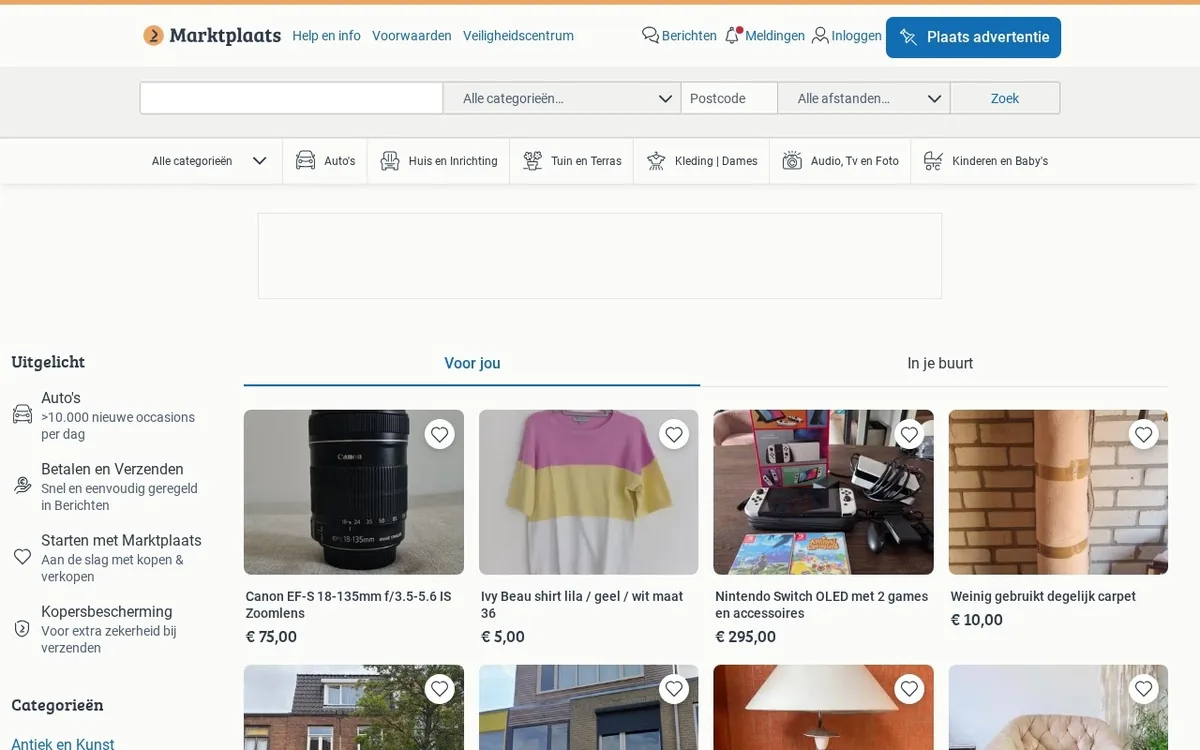
For the average casual seller, Marktplaats remains fundamentally accessible. Posting a standard advertisement in the vast majority of consumer categories costs absolutely nothing. You can take photos on your phone, write a description, set your asking price, and publish the listing without entering a credit card.
However, this baseline freedom comes with strict guardrails designed to prevent commercial abuse of the private marketplace:
- Category Caps: Certain high-volume categories, such as tickets (evenementenkaarten), luxury designer goods, and commercial electronics, enforce strict limits on how many free active ads a single account can maintain simultaneously.
- Re-listing Charges: Deleting and immediately reposting an item to force it back to the top of search results is monitored. While manual deletion is free, automated or repetitive bulk recycling of the same listing can trigger account flags or require paid placement.
- Payment Processing: Using the built-in "Gelijk Oversteken" (Safe Trade) escrow service incurs a small buyer-protection fee, which builds trust and accelerates conversion rates, though sellers must account for the slight friction in payout timing.
When you look at how these rules interact with broader European tax transparency regulations, keeping your private sales volume clean and documented is essential. For official guidance on threshold reporting, review the European Commission DAC7 overview, which outlines when platform operators must report your sales data to tax authorities.
How Do Promoted Listings and Paid Bumps Impact Your Margins?
Because thousands of sellers post items every hour, organic visibility can plummet within minutes of publication. To combat this, Marktplaats offers several in-app promotional tools designed to put your listing back in front of active buyers. Understanding the pricing models of these boosts is vital for keeping your customer acquisition cost low.
The primary promotional features include:
- Omhoogplaatsen (Bump Up): This feature resets your ad's timestamp to the current moment, instantly pushing it back to the top of search results for its category. Prices vary depending on the product category, typically ranging from €0.50 to €2.50 per bump.
- Top-advertentie (Top Ad): This places your item in the dedicated showcase frames at the top of search results for a fixed duration, usually 7 days. These placements cost anywhere from €3.00 to over €15.00 depending on the competitiveness of the niche.
- Dagtopper (Daily Spotlight): A short-burst visibility option that guarantees high placement during peak evening browsing hours.
Sellers often ask whether these paid options actually pay for themselves. If you are selling high-margin goods—such as specialized electronics or rare collectibles—investing €5.00 in a Top-advertentie can accelerate a sale by a week, saving you storage space and unlocking cash flow faster. For lower-priced items, however, a €3.00 bump can easily wipe out your entire profit margin.
What Is Marktplaats Pro and How Does Admarkt Pricing Work?
For high-volume resellers, vintage dealers, and small business owners, standard private accounts simply do not offer enough firepower or legal compliance. This is where Marktplaats Pro and the Admarkt advertising system come into play. Admarkt operates entirely differently from standard consumer listings; instead of paying a flat fee to post an ad, you pay per click using a Pay-Per-Click (PPC) auction model.
Under the Admarkt system:
- Minimum Click Prices: Marktplaats sets category-specific minimum click thresholds. For competitive niches like home interiors, car parts, or consumer appliances, a single click can cost anywhere from €0.10 to over €1.50.
- Budget Caps: Sellers establish daily or monthly spending limits to prevent runaway advertising costs. Once your budget is exhausted, your ads stop appearing until the next cycle.
- Shopfront Integration: Professional sellers get a branded storefront page, direct webshop links, and advanced analytics tracking to measure visitor traffic and conversion rates.
Managing an Admarkt budget requires ruthless efficiency. If your conversion rate on clicks is low, your advertising spend will quickly outpace your net revenue. To master professional multi-channel workflows and prevent stock discrepancies across regional platforms, many Dutch and Belgian merchants integrate specialized inventory synchronization tools. For a broader look at how automated distribution can protect your profit lines across multiple channels, study this Vintage Furniture Reselling Automation Guide 2026.
How Do Marktplaats Fees Compare to Other European Marketplaces?
No reseller operates in a vacuum. To build a sustainable omnichannel business, you must compare the cost of doing business on Marktplaats with competing platforms popular in the Netherlands, Belgium, and wider Europe. While Marktplaats dominates domestic general classifieds, platforms like Vinted, 2dehands, and eBay operate under completely different financial models.
| Marketplace | Insertion Fee | Final Value / Commission Fee | Promotional & Boost Costs |
|---|---|---|---|
| Marktplaats | Free (Private) / Pro Subscriptions | None for private sales; PPC for Admarkt | €0.50 – €15.00+ per bump or top placement |
| Vinted | Free | 0% for sellers (buyer pays buyer protection fee) | Wardrobe spotlight and item bumping (€1.00 – €5.00) |
| 2dehands | Free (with category limits) | None for standard peer-to-peer ads | Similar to Marktplaats promotional tiers |
| eBay | Free insertion for first 50+ items | ~10% to 13% final value fee on total sale | Promoted Listings standard/advanced percentage fees |
| Etsy | €0.20 per listing | 6.5% transaction fee + payment processing | Etsy Ads daily budget bidding model |
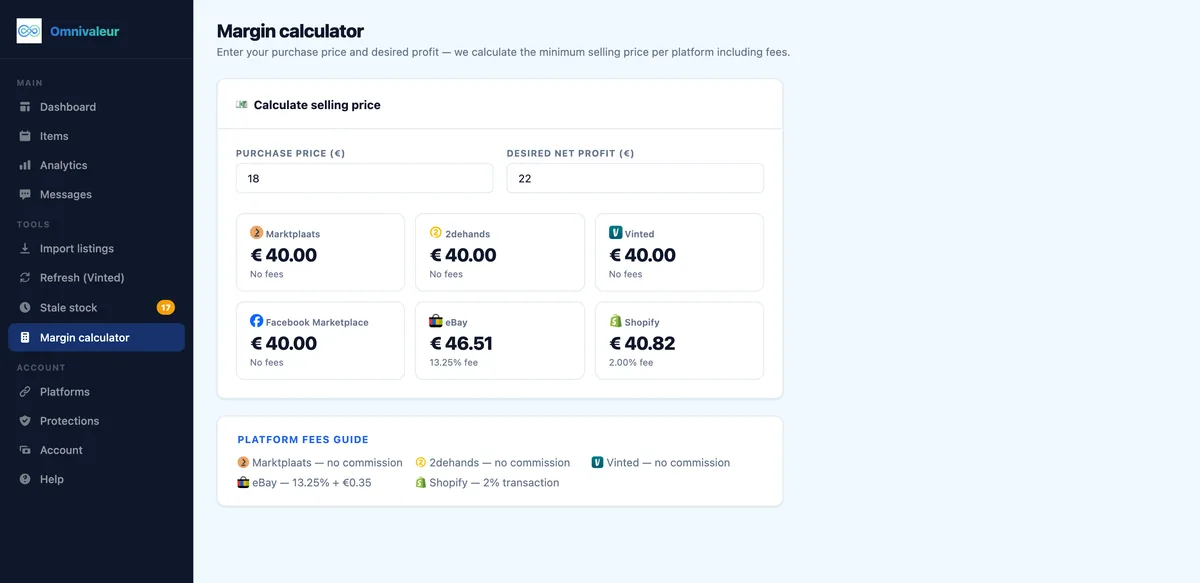
As this comparison demonstrates, while Marktplaats charges no percentage commission on private sales, you pay upfront for visibility or absorb costs via Admarkt clicks. On platforms like eBay or Etsy, you keep your visibility costs lower upfront, but surrender a significant chunk of your revenue upon the final sale. Choosing where to list depends entirely on your item category and average selling price. For specialized product categories, exploring multi-platform workflows can drastically improve your sell-through rate; for instance, many vendors expand their reach using the strategies outlined in this Marktplaats to Vinted Crosslisting Guide.
What Are the Hidden Costs Every Reseller Must Calculate?
Focusing solely on platform fees is a classic trap for beginning resellers. True profitability calculation requires accounting for every operational friction point between sourcing an item and delivering it to a buyer's doorstep.
Consider these mandatory cost categories when pricing your inventory:
- Payment and Escrow Fees: If you use integrated payment methods that offer buyer protection or instant bank transfers, transaction handling fees often shave 1% to 3% off your final payout.
- Packaging Materials: Bubble wrap, corrugated boxes, packing tape, and thermal shipping labels add up quickly—budgeting €0.50 to €2.00 per shipment is standard for fragile or high-value items.
- Shipping and Postage: Shipping rates via PostNL, DHL, or DPD in the Benelux region fluctuate based on weight and dimensions. Offering free shipping requires baking those costs directly into your item price.
- Time and Logistics: Sourcing, photographing, measuring, answering endless chat messages, and walking to the parcel drop-off point consume valuable hours. If you scale up, your time investment becomes your highest overhead cost.
Managing inventory across multiple marketplaces also introduces the risk of double-selling—an expensive mistake that damages seller ratings and wastes time. To keep your stock perfectly synchronized without manual intervention, modern sellers rely on automation. Read more about protecting your seller metrics in this guide on How to Avoid Selling the Same Item Twice.
- ✓audit slow moving inventory before buying paid placement features
- ✓rely on optimized titles and keywords for organic reach
- ✓cross list your items to alternative regional marketplaces
- ✓calculate your margins before purchasing new inventory
How Does the Dutch Tax Authority View Marktplaats Revenue?
A common misconception among casual sellers is that peer-to-peer marketplaces are a tax-free zone. While selling your own old household goods at a loss is generally not taxable, anyone running a recurring reselling operation to generate profit must navigate clear tax obligations in the Netherlands.
Under European DAC7 directives implemented across all member states, platform operators are legally required to report seller data to tax authorities if you exceed specific activity thresholds within a calendar year:
- Volume Threshold: 30 or more sales transactions, OR
- Financial Threshold: Total sales revenue exceeding €2,000 in a calendar year.
Once you cross these limits, Marktplaats automatically compiles your sales data and reports it to the Belastingdienst. To understand how these rules apply specifically to your account status, consult the official Belastingdienst DAC7 information portal. Keeping accurate records of your purchase invoices, acquisition costs, and platform fees ensures you can properly deduct legitimate business expenses if you operate as a registered sole proprietor (eenmanszaak).
How Can You Optimize Your Marktplaats Strategy to Minimize Fee Impact?
Minimizing your fee exposure without sacrificing visibility requires discipline and a structured publishing workflow. Rather than blindly paying for top ads on every single item, smart resellers apply a tiered promotional strategy based on item velocity and margin potential.
Here are the core tactics seasoned resellers use to protect their margins:
- Audit Your Bumps: Only use paid placement features on slow-moving inventory that has sat for more than 14 days without an inquiry. Freshly posted items should rely on optimized titles, high-contrast photography, and keyword-rich descriptions for organic reach.
- Leverage Multi-Channel Listing: Do not rely exclusively on one platform. By cross-listing your inventory to alternative marketplaces where buyer demographics differ, you capture buyers willing to pay higher prices without needing to pay for continuous promotional boosts on a single site.
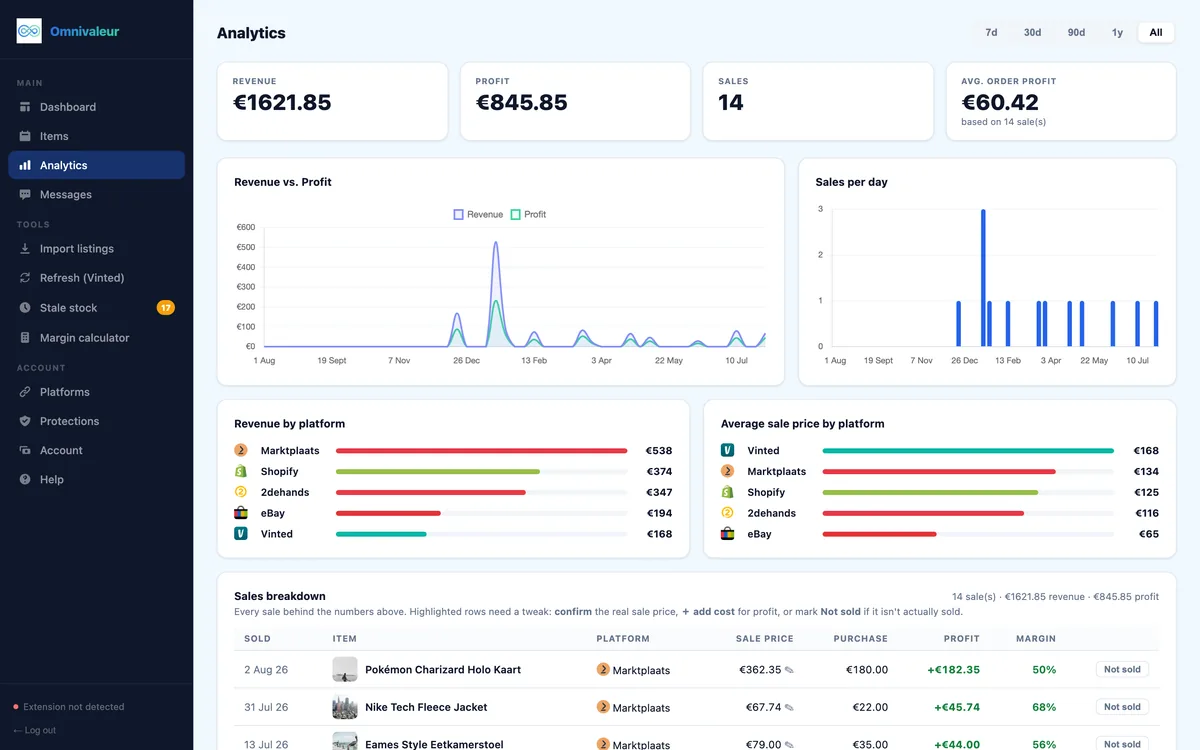
- Calculate Margins Pre-Listing: Use analytics that calculate profit from the real sale price rather than the initial asking price. On second-hand marketplaces, final negotiated selling prices typically sit 10% to 20% below the initial sticker price. Account for this delta before purchasing inventory.
- Monitor Consumer Rights and Return Policies: If you sell in a professional capacity, familiarize yourself with mandatory consumer protection laws. Review the Your Europe consumer shopping rights guide to ensure your return policies comply with EU directives, avoiding costly disputes and chargebacks.
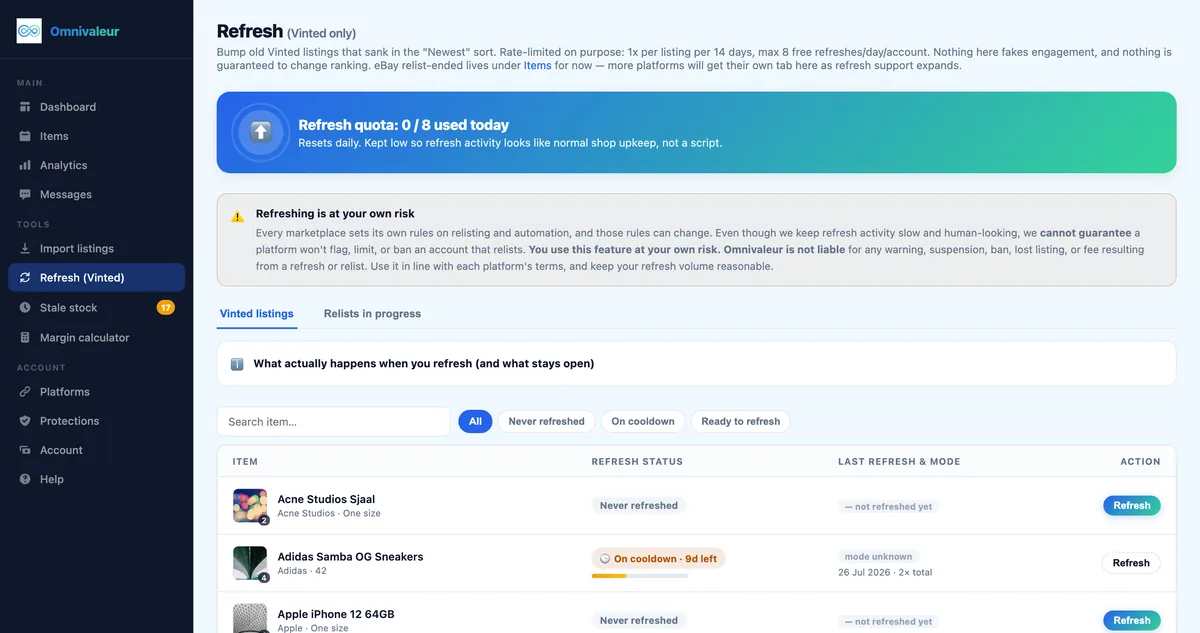
When you automate your listing process using platforms like Omnivaleur, you can push optimized product data from a single dashboard directly to Marktplaats, 2dehands, Vinted, and eBay simultaneously. This eliminates redundant data entry, reduces human error, and allows you to test which platform yields the highest net return for specific product categories—keeping your overhead lean and your margins healthy.
Frequently asked questions
Are private Marktplaats accounts completely free to use?
How do I know if my Marktplaats sales require reporting to the tax authorities?
What is the difference between a Bump Up and a Top Ad on Marktplaats?
Can I run an Admarkt campaign as a private individual seller?
How can I prevent my items from selling twice when cross-listing to other platforms?
Keep reading

Stop copying listings by hand
Omnivaleur publishes your item to every platform at once and syncs stock automatically when something sells.
Start free trial