How to Cross-List from Marktplaats to Vinted in 2026 Without Losing Money on Fees or DAC7 Reporting
To crosslist from Marktplaats to Vinted in 2026, connect both accounts through a crosslisting tool, remap your categories and shipping (Vinted uses buyer-paid label shipping, not pickup), and rewrite titles to fit Vinted's fashion-first search. Track your combined sales against the 30-item / €2,000 DAC7 threshold to avoid tax surprises.
Key takeaways
- Vinted charges buyers a Buyer Protection fee, so your listed price is what you actually receive
- DAC7 reporting kicks in at 30 sales or €2,000 per year across all platforms combined, not per platform
- Marktplaats pickup listings must be converted to shipped listings before they work on Vinted
- Fashion, kidswear and accessories move to Vinted best; furniture and electronics stay on Marktplaats
- Sync your stock automatically or you will double-sell the same jacket to two buyers
Most guides tell you to hit "export" and move on. Real money gets lost in the gaps between these two platforms. Marktplaats is a general classifieds site built around local pickup. Vinted is a fashion-first app built around shipped parcels and a buyer-paid fee model. Move a listing without adjusting for that, and you either lose the sale or lose margin. Here is what the other guides skip.
Why do Marktplaats and Vinted work so differently for the same item?
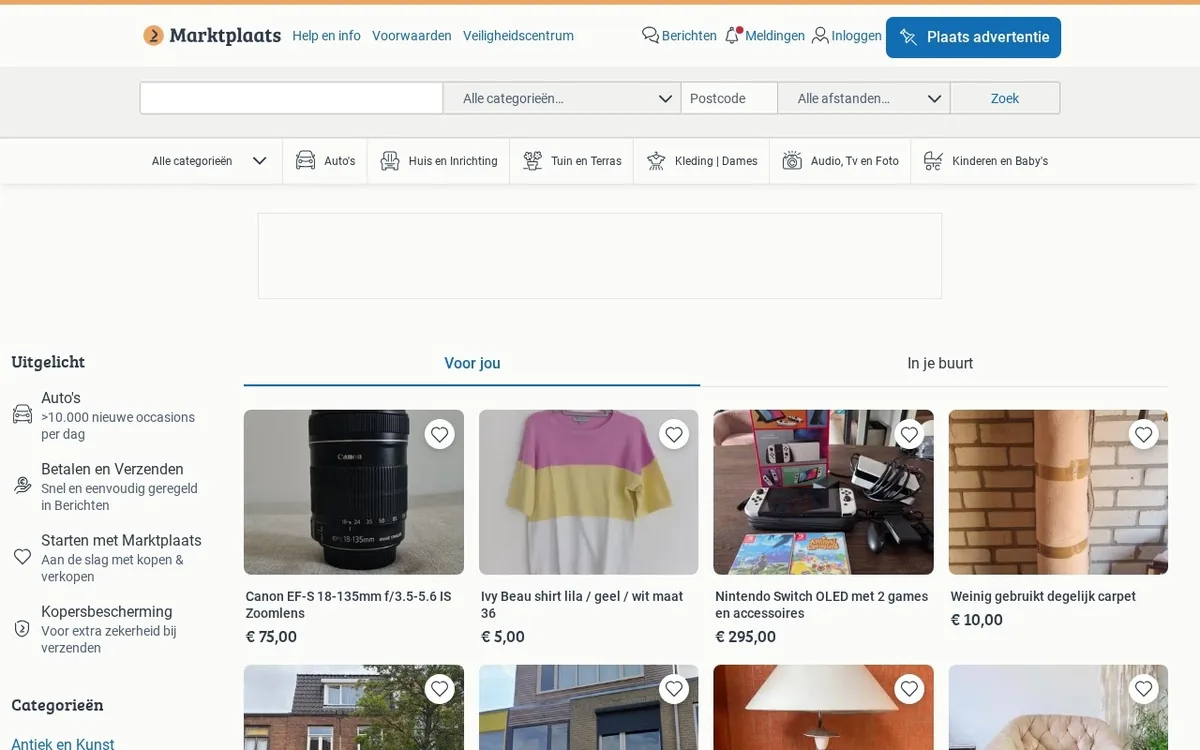
They were built for different jobs. Marktplaats grew out of local trading — bikes, furniture, "come pick it up in Utrecht." Vinted grew out of secondhand clothing sold across borders by post. That difference shapes everything downstream.
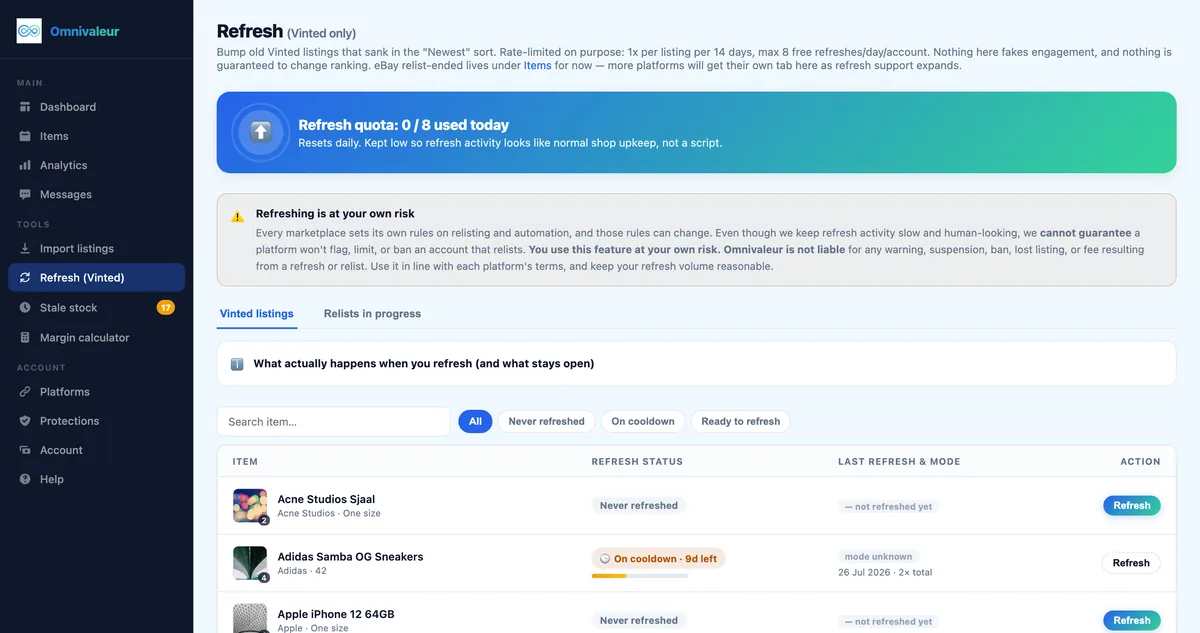
On Marktplaats, a lot of listings still say "ophalen" (pickup only). Copy that straight to Vinted and it fails, because Vinted has no pickup. Every Vinted sale ships. The platform generates the label, the buyer pays for it, and you drop the parcel at a point.
The fee logic flips too. Marktplaats sellers pay for optional promotion; the sale itself is free between private sellers. Vinted takes its cut from the buyer via a Buyer Protection fee, which means your listed price is what lands in your wallet. Price a €40 jacket at €40 on both, and you net roughly the same on Marktplaats after zero fees but the Vinted buyer pays €40 plus their protection fee. Read the current rules on the Vinted selling help pages before you assume a fee structure carried over from 2024.
What actually breaks when you move a listing across in 2026?
Four things fail silently. Nobody warns you.
- Shipping method. Pickup-only doesn't exist on Vinted. You must assign a parcel size so Vinted can price the label.
- Category depth. Marktplaats categories are broad. Vinted forces brand, size, colour and condition fields on fashion. Blank fields = no search visibility.
- Title language. Marktplaats titles read like ads ("mooie leren jas, weinig gedragen"). Vinted search rewards brand + item type + size.
- Price expectation. Vinted buyers negotiate through offers constantly. Marktplaats buyers message. Different flow, different pricing buffer.
A tool that only copies photos and text leaves all four of these broken. The fix is a proper field map, which is exactly where automated crosslisting earns its keep. Our full walkthrough on the Marktplaats to Vinted crosslisting guide shows the mapping table field by field.
How the core fields map
| Field | Marktplaats | Vinted | Action needed |
|---|---|---|---|
| Delivery | Pickup or ship | Ship only | Assign parcel size |
| Category | Broad tree | Fashion-specific | Remap manually or via tool |
| Brand | Optional text | Required dropdown | Select exact brand |
| Size | Rarely used | Required for clothing | Add EU size |
| Condition | Free text | 5 fixed levels | Match to nearest level |
| Price | You receive full | Buyer pays protection on top | Keep same list price |
What does the DAC7 threshold mean for you in 2026?
This is the part the competitor guides ignore entirely, and it's the part that gets resellers a letter from the tax office. Under DAC7, platforms like Vinted and Marktplaats report your sales data to tax authorities once you cross a threshold.
The trigger: more than 30 sales OR more than €2,000 in total sales in a calendar year, per platform. The catch when you crosslist — you're now selling on two platforms, so it's easier to trip the threshold on each one separately, and the tax office pieces together the full picture regardless.
The Dutch Belastingdienst explains what gets reported on its DAC7 information page for sellers, and the wider EU framework sits with the European Commission's DAC7 overview. Being reported is not the same as owing tax — clearing out your own wardrobe at a loss usually isn't taxable. But if you're buying to resell, that's income. Keep records of what you paid.
A quick DAC7 sanity check
- Count your total sales per platform per year.
- Add up your total revenue per platform.
- If either exceeds 30 sales or €2,000, expect reporting.
- Keep purchase receipts so you can prove cost basis.
How do you price a listing so Vinted's fees don't eat your margin?
Since the buyer pays the protection fee on Vinted, your instinct might be to raise prices to match Marktplaats. Don't. Vinted shoppers see the full price including protection at checkout, and a €40 jacket suddenly showing €43.20 total looks steeper next to a competitor at €38.
The move: price slightly below your Marktplaats number to stay competitive at checkout, then use Vinted's offer system to your advantage. Buyers expect a discount. Build in €3–5 of room so you can accept a lowball and still hit your target. On Marktplaats you keep the list price cleaner, because there's no fee wedge.
One more thing. Vinted regularly runs "no Buyer Protection fee" promo windows and bundle discounts. Time your listings around those and your items look cheaper without you dropping a cent.
- ✓Remap your category to Vinted's fashion-specific fields and add brand, size, colour
- ✓Change shipping from pickup to a parcel size so Vinted can generate the label
- ✓Rewrite your title to lead with brand and item type instead of ad copy
- ✓Price slightly below Marktplaats to stay competitive at checkout with buyer fees included
- ✓Turn on automated stock sync so a sale on one platform delists the other
- ✓Track your sales and revenue monthly per platform to stay under DAC7 thresholds
Which items should stay on Marktplaats and never go to Vinted?
Crosslisting everything is a beginner mistake. Vinted is fashion, accessories, beauty, kidswear and some home textiles. That's the lane.
| Item type | Best platform | Why |
|---|---|---|
| Branded clothing | Vinted + Marktplaats | Vinted's whole audience |
| Kidswear & shoes | Vinted | Huge demand, easy to post |
| Bags & accessories | Vinted | Cheap to ship, high margin |
| Furniture | Marktplaats | Pickup-based, too big to ship |
| Electronics | Marktplaats / eBay | Vinted doesn't support them |
| Bikes & tools | Marktplaats | Local pickup wins |
Trying to force a coffee table onto Vinted wastes your time and clutters your account. Keep it where the buyers actually are.
How do you keep stock in sync so you never double-sell?
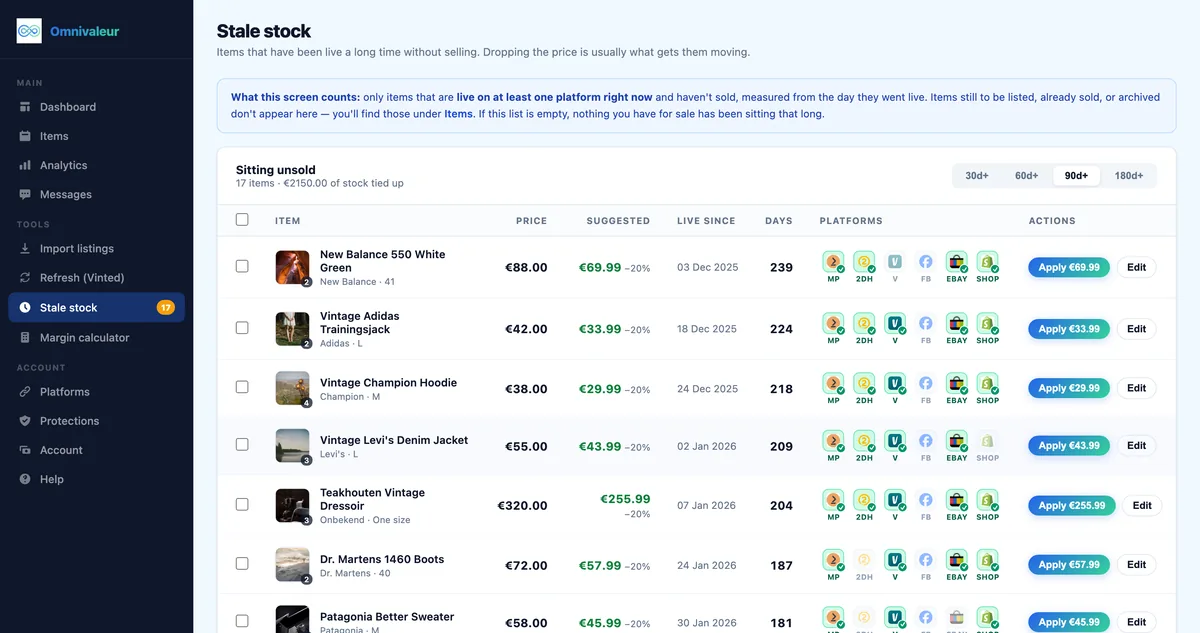
This is the nightmare scenario. Same jacket, listed on both. It sells on Vinted at 9am and on Marktplaats at 9:05. Now you're cancelling on a buyer, tanking your Vinted rating, and possibly breaking EU consumer rights on the order you can't fulfil.
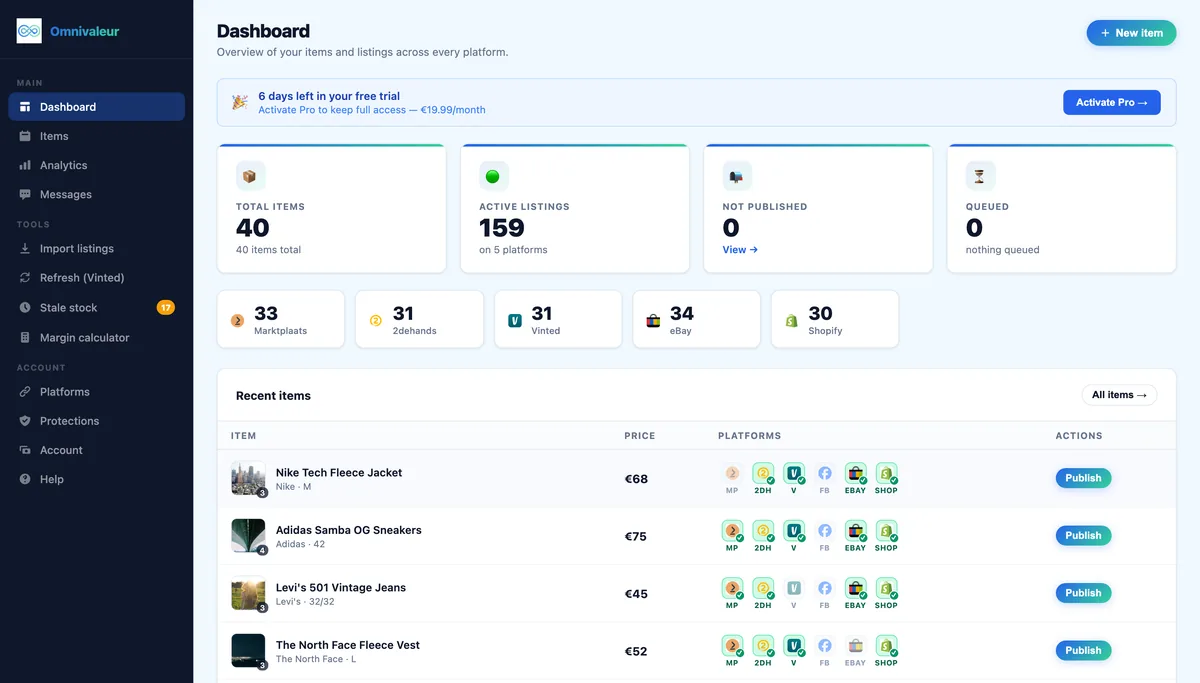
Manual delisting doesn't scale past about ten items. You forget one, you get burned. Automated stock sync watches both platforms and pulls the listing everywhere the moment one sells. That's the single biggest reason to run this through a tool rather than by hand.
Set it up once. When a Vinted sale fires, the Marktplaats listing goes down within minutes. No cancellations, no rating hit. If you want the Dutch-language setup steps, the Marktplaats naar Vinted crosslisten guide covers the same flow.
What Marktplaats and Vinted policy changes hit resellers hardest?
Both platforms tightened rules recently. Vinted expanded its Item Verification and Pro seller options, and enforces category-specific field requirements harder than before — incomplete listings get buried. Check the current Marktplaats help centre for its promotion pricing, which shifts each year.
If you also sell on eBay through the same crosslist workflow, note that eBay's listing structure differs again — its rules live in the eBay listing help. The point stands: no two platforms share a rulebook, so a copy-paste export always leaves gaps a real tool fills.
What's the fastest workflow for a busy reseller?
- Photograph and list once, cleanly, with all fashion fields filled.
- Push to Vinted and Marktplaats through your crosslisting tool.
- Set parcel sizes for Vinted at list time — don't leave it for later.
- Turn on stock sync so a sale anywhere delists everywhere.
- Track your running DAC7 totals monthly in a simple sheet.
Do that and you're selling to two audiences off one effort, without the double-sell risk or the tax surprise. That's the whole game in 2026.
Frequently asked questions
Does Vinted charge sellers any fee in the Netherlands in 2026?
Can I import Marktplaats reviews or seller rating to Vinted?
What parcel size should I pick when a Marktplaats listing had pickup only?
If I only sell my own old clothes, do I still get reported under DAC7?
Will crosslisting slow down how fast my item sells on either platform?
Do I need separate photos for Vinted and Marktplaats?
Keep reading
Stop copying listings by hand
Omnivaleur publishes your item to every platform at once and syncs stock automatically when something sells.
Start free trial