Omnivaleur vs List Perfectly: Which Crosslisting Tool Fits EU Resellers in 2026?
Omnivaleur is built specifically for European resellers — Marktplaats, 2dehands, Vinted, eBay, Etsy and Shopify with euro pricing baked in. List Perfectly is a strong US-first crosslisting tool covering Poshmark, Mercari, Depop and eBay, but it has no native Marktplaats or 2dehands support. Choose based on which platforms you actually sell on.
If you're a Dutch, Belgian or wider EU reseller typing this comparison into Google, here's the short version: List Perfectly was built for the US secondhand market (Poshmark, Mercari, Depop, eBay), and it does that job well. Omnivaleur was built for the European one — Marktplaats, 2dehands, Vinted, eBay, Etsy and Shopify, with euro pricing and EU listing fields as defaults, not afterthoughts. The rest of this article walks through where each tool actually holds up, and where it doesn't.
What exactly is List Perfectly built for?
List Perfectly is one of the older, more established names in US crosslisting. It's designed around resellers who juggle Poshmark, Mercari, Depop, eBay, Etsy and Facebook Marketplace at once. Its closet-import and tagging system is genuinely mature — resellers who've used it for years praise how well it organizes bulk inventory across multiple US marketplace accounts.
The catch, for anyone reading this from Amsterdam, Antwerp or Berlin: those five platforms are almost all US-centric. If your actual selling activity happens on Marktplaats or 2dehands, List Perfectly simply doesn't have a listing template for either one. That's not a knock on the tool — it's just not what it was built for.

- ✓List which marketplaces you actually sell on most — Poshmark and Depop, or Vinted and Marktplaats
- ✓Check whether the tool has native templates for those platforms, not translations of US ones
- ✓Open the actual product dashboard before deciding — five minutes tells you more than pricing pages
- ✓Verify euro pricing fields work without manual conversion if you price in euros
- ✓Read the support and reliability track record for your region, not just US user reviews
What is Omnivaleur built for, and how does that differ?
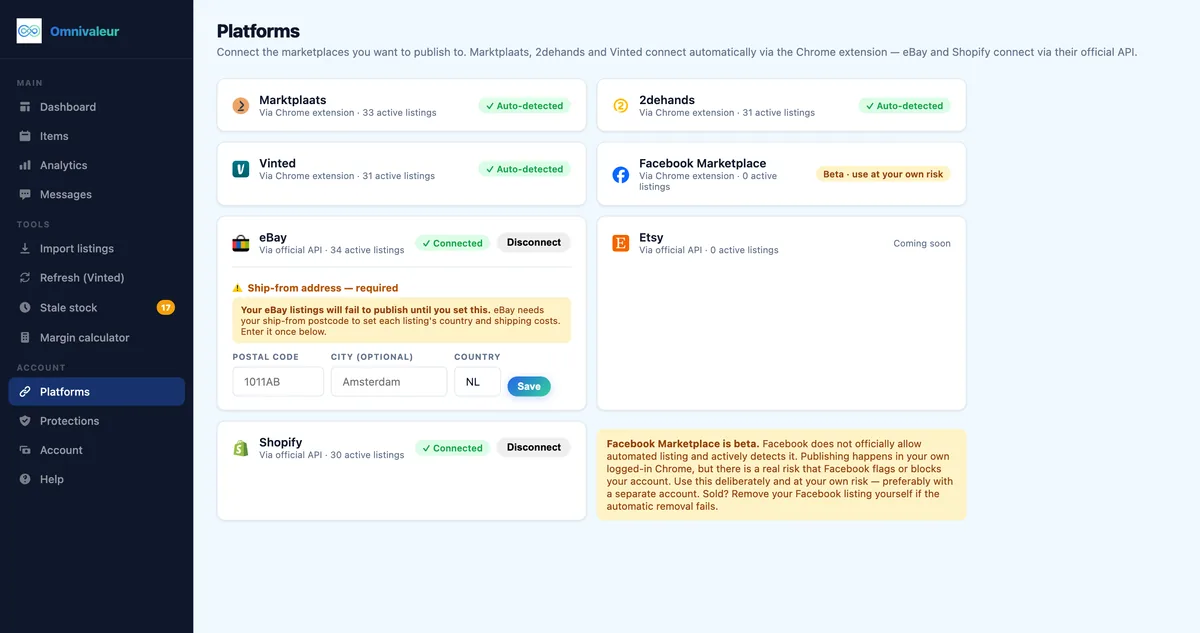
Omnivaleur starts from the opposite assumption: your primary markets are European. The core platform list is Marktplaats, 2dehands, Vinted, eBay, Etsy and Shopify. Listing templates default to euro pricing, EU shipping profiles, and category mappings that match Marktplaats' and Vinted's actual taxonomy rather than a US one translated after the fact.
That difference sounds small until you've tried forcing a US-built tool to post correctly to Vinted with the right size grid and condition labels. Small formatting mismatches like that are exactly what push resellers toward EU-specific reseller tools such as our own Vinted reselling automation guide, which covers the field-mapping quirks in more detail.
Which platforms does each tool actually support in 2026?
Platform coverage is the single biggest differentiator here, so it's worth laying out plainly rather than vaguely gesturing at "many marketplaces."
| Platform | Omnivaleur | List Perfectly |
|---|---|---|
| Marktplaats | Yes | Not supported |
| 2dehands | Yes | Not supported |
| Vinted | Yes | Not natively supported |
| eBay | Yes | Yes |
| Etsy | Yes | Yes |
| Shopify | Yes | Not a core focus |
| Poshmark / Mercari / Depop | Not currently a focus | Yes |
If your closet is split between Poshmark and Depop, that table answers the question for you before you've read another word. If it's split between Vinted and Marktplaats, same thing, opposite direction.
How do the two tools compare on pricing?
Pricing structures for both tools follow a familiar SaaS pattern: a free or trial tier to test the workflow, then monthly plans that scale with listing volume and number of connected marketplace accounts. List Perfectly, like most US crosslisting apps, prices in US dollars and tiers its plans around closet connections and bulk-listing limits — exact current tiers are best checked on their own pricing page since these numbers shift year to year.
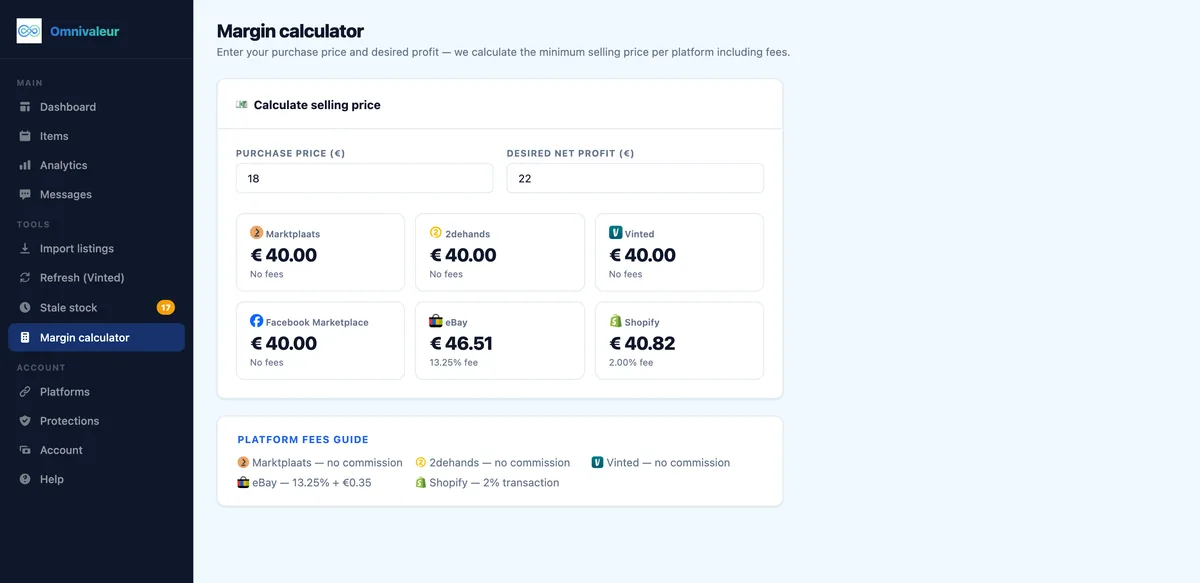
Omnivaleur prices in euros from the start, which matters more than it sounds. A US-dollar subscription run through a EUR-charging card means currency conversion fees and exchange-rate drift every single month — a small but real cost that adds up over a year of reselling.
| Omnivaleur | List Perfectly | |
|---|---|---|
| Currency | EUR | USD |
| Free tier / trial | Available | Available |
| Billing model | Monthly, tiered by listings | Monthly, tiered by closets/listings |
| VAT handling | EU VAT invoicing included | US-style invoicing |
Which one is easier to set up and use day to day?
Both tools follow the same basic onboarding pattern: connect your marketplace accounts, import or create your listing template, then push it out to the connected platforms. List Perfectly's interface is spreadsheet-adjacent — lots of tagging and bulk-editing screens, which power users who manage hundreds of SKUs tend to like.
Omnivaleur leans toward a simpler, more visual dashboard aimed at resellers who want to list an item once and get on with sourcing the next one, rather than managing a database. Neither approach is objectively "better" — it depends whether you think in spreadsheets or in single listings. If you're new to cross-posting, take a look at the actual product screen before deciding; a five-minute look at the dashboard tells you more than any pricing page.

How does sync and relist behavior compare?
Sync behavior is where crosslisting tools either save you hours or quietly create problems. The core question is the same for both: when an item sells on one platform, does it get pulled from the others automatically, or do you have to check manually?
List Perfectly supports cross-posting and manual delisting workflows across its supported US platforms; automatic sell-sync depends on which marketplace API allows it, since not every platform exposes real-time sold status the same way. Omnivaleur works the same way structurally — automatic delisting where the connected platform's API supports it, with a manual fallback where it doesn't. Neither tool can promise instant sync on every platform, because that limitation usually sits with the marketplace, not the crosslisting app.
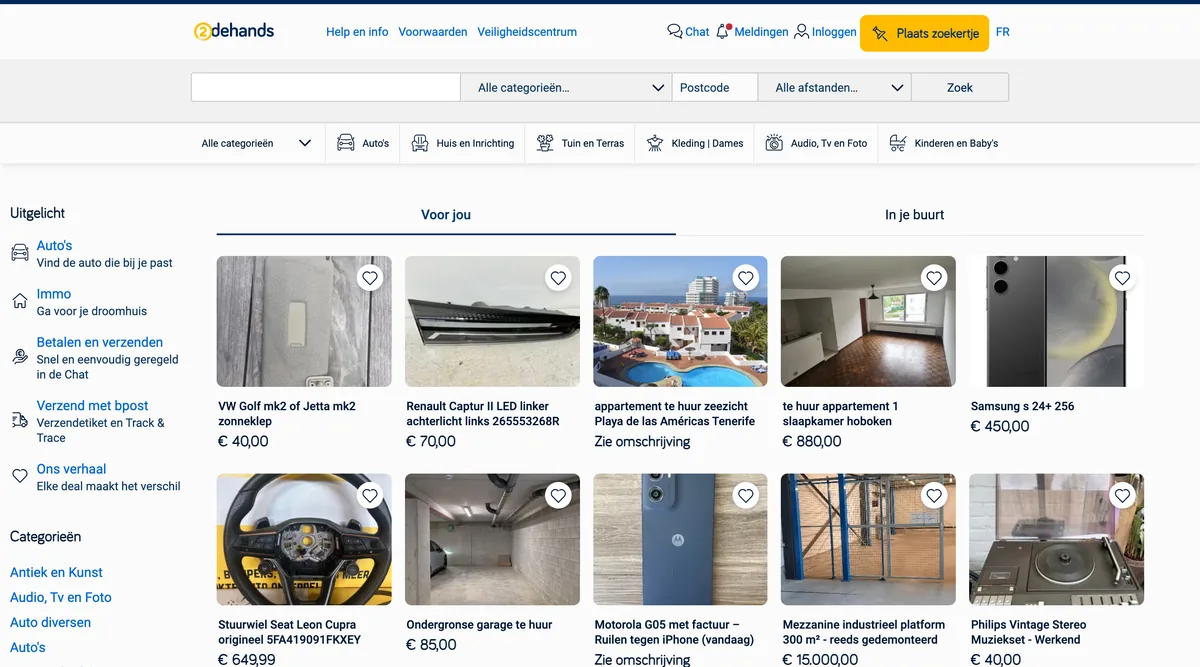
Where this gets EU-specific: Vinted and Marktplaats have their own listing refresh and relist rules, which change from time to time. Our Marktplaats to Vinted crosslisting guide covers the current relist mechanics in more depth if you're setting that pair up specifically.
How well does each tool handle EU-specific selling — Marktplaats, 2dehands, Vinted and euro pricing?
This is the section most US-based comparison articles skip entirely, and it's the actual reason most EU resellers end up searching "Omnivaleur vs List Perfectly" in the first place. A few concrete things to check before picking either tool:
- Euro-native pricing fields — does the tool let you set and adjust prices in euros without manual conversion, including for Vinted's bundle discounts?
- Dutch/Belgian category mapping — Marktplaats and 2dehands use category structures that don't map cleanly from a US template.
- Vinted-specific listing rules — condition labels, brand tagging and package sizing follow Vinted's own selling rules, which get updated periodically.
- DAC7 income reporting — as of the last few tax years, EU platforms including Vinted and Marktplaats report seller income data under DAC7 rules once you cross certain thresholds. A tool that keeps clean per-platform sales records makes that reporting far less painful; check the Belastingdienst's DAC7 seller information if you're in the Netherlands specifically.
List Perfectly wasn't built with any of the above in mind, simply because its user base historically hasn't needed it. That's a legitimate gap for EU sellers, not a criticism of the product itself.
What about support and reliability?
Support quality is hard to compare fairly without cherry-picking anecdotes, so it's worth being honest here rather than inventing specifics. List Perfectly has been operating for years and has a large existing US user base, which generally means a deeper knowledge base and more community troubleshooting content already written for common issues.
Omnivaleur is newer and smaller by comparison, which cuts both ways: support tends to be more direct and specific to EU platform quirks, but there's a shorter public track record to point to. If reliability history over a long period matters most to you, that's a fair point in List Perfectly's favor — worth acknowledging plainly rather than glossing over.
So who should actually pick which tool?
Pick List Perfectly if: your primary marketplaces are Poshmark, Mercari, Depop or US-facing eBay/Etsy, and you manage a large multi-platform US closet where deep tagging and bulk-editing matter more than EU marketplace coverage.
Pick Omnivaleur if: Marktplaats, 2dehands or Vinted make up any meaningful share of your sales, you price in euros, and you want listing templates that already understand EU category structures and selling rules without manual rework.
Also worth noting: if you're weighing this decision against a third option, our Omnivaleur vs Vendoo comparison covers a tool that sits somewhere between the two — US-focused like List Perfectly, but with slightly broader international reach.
Neither tool is universally "better." One is built around US marketplace habits, the other around European ones. Match the tool to where you actually sell, not to whichever comparison article ranks highest.
Frequently asked questions
Does List Perfectly support Marktplaats or 2dehands at all?
Can I use List Perfectly and Omnivaleur together?
Which tool handles Vinted's specific selling rules better?
Does switching crosslisting tools affect my existing Marktplaats or Vinted listings?
Do I still need to track sales manually for tax purposes with either tool?
Keep reading
Stop copying listings by hand
Omnivaleur publishes your item to every platform at once and syncs stock automatically when something sells.
Start free trial