How Marktplaats Buyer Protection Works for Resellers in 2026
Marktplaats Buyer Protection holds the buyer payment in a secure escrow account until they confirm receipt and satisfaction. The buyer pays a percentage fee on the item price plus shipping. Once the buyer approves the delivery, the funds are released to the seller, minus standard payment processing fees.
Key takeaways
- Buyer Protection holds funds in escrow until the item is safely delivered and inspected.
- Buyers pay a fee of roughly 5% plus 0.40 euros for this service on top of the purchase price.
- Sellers must ship with a trackable parcel code to remain eligible for protection payout.
- Disputes give buyers a window to report missing or damaged goods, delaying your payout.
- Cross-listing inventory across multiple platforms helps offset slow local sales cycles.
Selling second-hand goods on Europe's largest peer-to-peer marketplaces comes with trust challenges. When a buyer in Amsterdam purchases a vintage designer piece or a high-end camera from you, they want assurance that their money will not vanish into thin air. Conversely, as a professional or semi-professional reseller, you need to know that dispatching your item does not expose you to scams or chargeback fraud. Marktplaats introduced its dedicated buyer protection framework to bridge this gap, replacing older systems like the legacy safe-payment setup.
Understanding how this mechanism operates is vital for anyone scaling their secondary inventory. If you manage multiple sales channels—perhaps running a setup where you cross-list items across Marktplaats to Vinted or sync catalogs via Marktplaats to Shopify Crosslisting 2026: Full Guide—knowing platform-specific rules prevents cash-flow bottlenecks and keeps your margins intact. Let us break down the exact mechanics, costs, timelines, and pitfalls you will encounter in 2026.
What Exactly Is Marktplaats Buyer Protection and Who Pays For It?
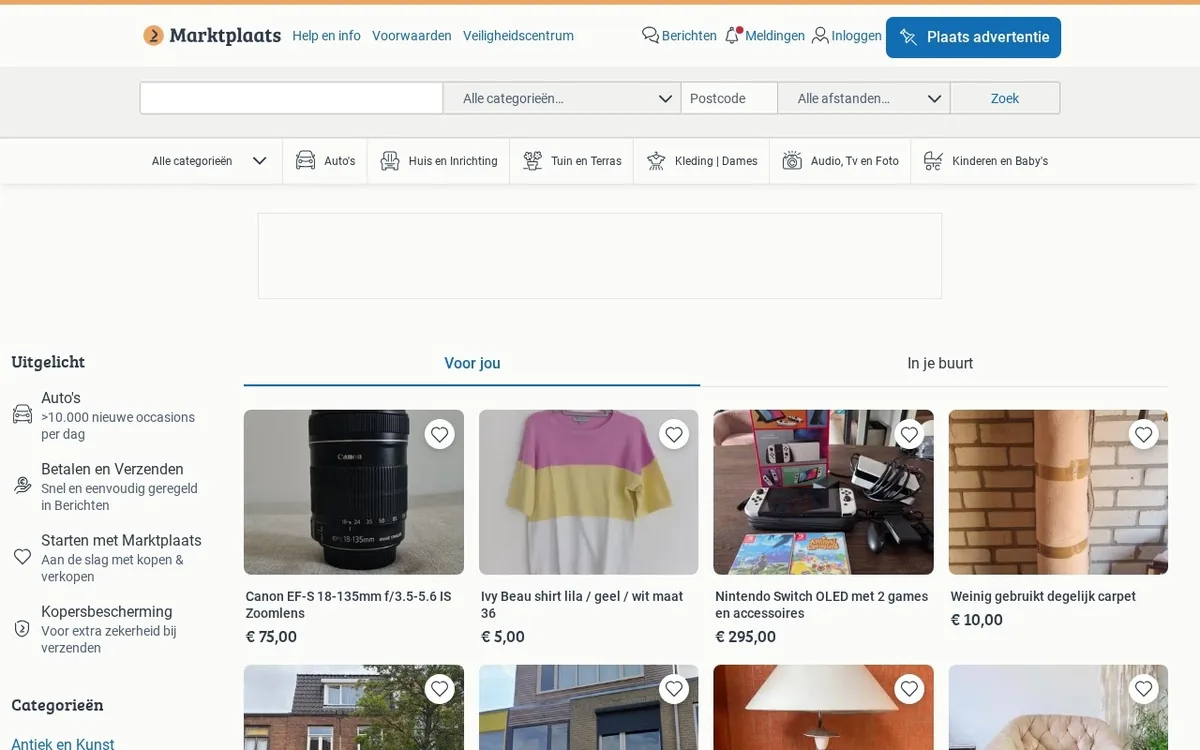
Buyer protection on Marktplaats is an optional or mandatory checkout layer designed to secure online transactions between private and commercial users. Unlike simple bank transfers where money moves instantly and irreversibly, this system acts as a financial buffer. When a buyer checks out using this protection service, their money does not go directly to your personal bank account. Instead, it sits in a secure third-party escrow account managed by Marktplaats and its financial processing partners.
The financial burden of this safety net falls entirely on the buyer. When purchasing an item, the buyer pays the agreed purchase price plus shipping costs, and on top of that, they pay the protection fee. In 2026, this fee typically consists of a fixed base amount plus a small percentage of the total transaction value (usually around 5% plus 0.40 euros). As a seller, you do not pay this fee out of your own pocket. However, you must factor in how this added cost at checkout might influence price-sensitive local buyers.
For inventory categories that command higher trust—such as high-end gear detailed in our Vintage Camera Reselling Automation 2026 Guide or specialized items found in the Tool & Equipment Reselling Automation Guide 2026—buyers often prefer using this protection because it minimizes their financial risk. It acts as a conversion booster, provided you know how to navigate the fulfillment steps correctly.
How Does the Step-by-Step Workflow Operate From Sale to Payout?
The transaction lifecycle under the Marktplaats protection framework follows a strict, sequential protocol. Missing a single step can freeze your funds or invalidate your seller protections. Here is how the process unfolds in practice:
- The Agreement: The buyer clicks to buy the item using the protected checkout option and transfers the total funds (item price plus shipping plus protection fee) into the escrow holding account.
- The Shipping Window: You receive an official notification in your dashboard confirming that the funds are secured. You now have a designated timeframe (typically a few working days) to pack the item and ship it.
- Tracking Entry: You must ship the parcel using a verified shipping method that provides a valid tracking code. You enter this tracking code directly into the platform interface. If you fail to add a valid tracking number, the system cannot verify transit, which breaks the protection chain.
- Transit and Delivery: The carrier transports the parcel to the buyer. The tracking system updates automatically to show when the package has arrived at the buyer's address or local pickup point.
- Inspection and Approval: Once delivered, the buyer has a set observation window (usually 48 to 72 hours) to inspect the item. If everything matches your listing description, the buyer clicks to approve the delivery.
- Payout Release: Upon buyer approval—or automatically after the inspection window expires without a dispute—the escrow service releases the funds to your linked bank account, minus standard platform processing fees.
Managing this fulfillment flow smoothly becomes exponentially more important when you scale your business. Many professional resellers use tools like Omnivaleur vs List Perfectly: Honest 2026 Comparison to evaluate how automation can streamline inventory management across multiple marketplaces without missing shipping deadlines.
What Are the Exact Costs, Limits, and Payout Timelines?
Cash flow is the lifeblood of any reselling operation. If your capital is trapped in escrow for weeks, your ability to source new inventory drops drastically. Here is what you need to know about the financial realities of Marktplaats buyer protection:
- Payout Speed: Under normal circumstances, once the buyer confirms receipt, payouts are initiated swiftly and typically land in your bank account within 1 to 3 business days, depending on your banking institution. However, if the buyer remains silent and the automatic approval timer runs out, add another 3 to 5 days to your timeline.
- Transaction Limits: The platform imposes minimum and maximum transaction values for protected items. Very low-value items (under a few euros) may not justify the percentage fee structure, while extremely high-value luxury goods might trigger secondary verification checks to comply with European anti-money laundering regulations.
- Tax Transparency: Remember that European sales platforms operate under strict reporting directives. For a deeper dive into your statutory obligations regarding turnover limits and registration thresholds, review the Belastingdienst DAC7 information for sellers or check out our comprehensive breakdown on When Does Reselling Become a Business? KVK & Tax Rules.
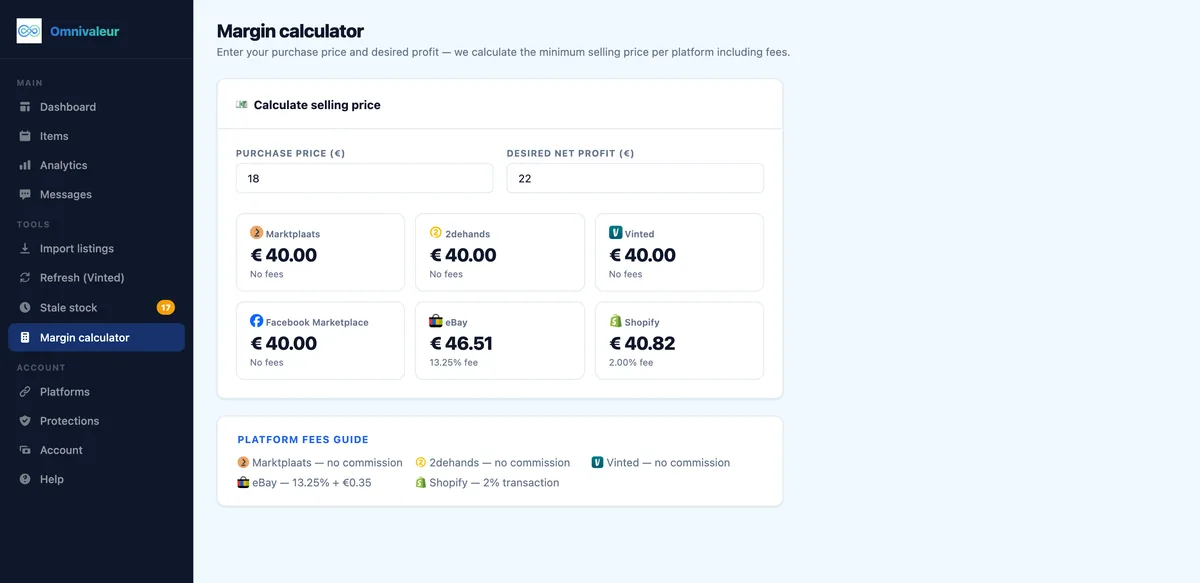
When calculating your margins across platforms, keep in mind that analytics tools built into modern management software calculate profit from the real sale price confirmed per transaction, rather than the initial asking price. On peer-to-peer marketplaces, final negotiated prices differ from asking prices by roughly 10-20% due to offers and counter-offers.
- ✓Wait for the official dashboard notification confirming funds are secured in escrow
- ✓Pack the item securely and ship it using a verified shipping method with tracking
- ✓Enter the valid tracking code directly into the platform interface immediately
- ✓Keep detailed photographic records of item condition and serial numbers before shipping
- ✓Respond calmly through the resolution center if a dispute or damage claim is filed
When Are You Protected as a Seller, and When Are You Vulnerable?
A common misconception among online sellers is that buyer protection only protects the buyer. In reality, the framework provides vital safeguards for sellers too—provided you follow the rules to the letter. Understanding the boundaries of this protection prevents costly disputes.
You are protected when:
- You ship the item with a registered, trackable parcel service and the tracking confirms delivery to the buyer's address.
- The buyer attempts a fraudulent chargeback through their bank after having received and approved the item, as the platform holds the transaction history and delivery confirmation.
- The parcel is lost in transit by the official carrier, provided you used the integrated shipping labels or entered the correct authorized tracking number.
You are not protected when:
- You send the item via standard, untracked letter mail to save on shipping costs. Without a digital tracking scan, you have no proof of dispatch.
- You ship to an address that differs from the official shipping address registered in the buyer's secure checkout profile.
- You sell prohibited goods, counterfeit items, or categories that fall outside the platform's terms of service. If a dispute arises over a counterfeit claim, escrow funds will freeze indefinitely pending investigation.
To maintain high standards across all your sales channels, whether you are dealing with apparel or niche collectibles, maintaining pristine item descriptions is your best defense against returns. If you want to expand your reach into collectible markets, our guide on Collectibles Reselling Automation 2026: Full Guide offers practical tips on cataloging items accurately.
How Does Marktplaats Protection Compare to Other European Platforms?
Every marketplace handles risk mitigation differently. Comparing Marktplaats to platforms like Vinted or 2dehands reveals distinct operational differences that every cross-border reseller must master.
| Platform | Protection Mechanism | Who Pays Protection Fee? | Typical Payout Timing |
|---|---|---|---|
| Marktplaats | Escrow with tracking verification & inspection window | Buyer (~5% + €0.40) | 1-3 days after buyer approval or timer expiry |
| Vinted | Mandatory platform escrow on all digital checkouts | Buyer (Item fee + fixed protection percentage) | Instantly upon buyer approval or 2 days post-delivery |
| 2dehands | Integrated secure payment and shipping partnerships | Buyer or split depending on service tier | 1-4 business days after delivery confirmation |
| eBay | Managed payments with seller protection policies | Seller (deducted commission fees) | 2-5 payout days on rolling schedule |
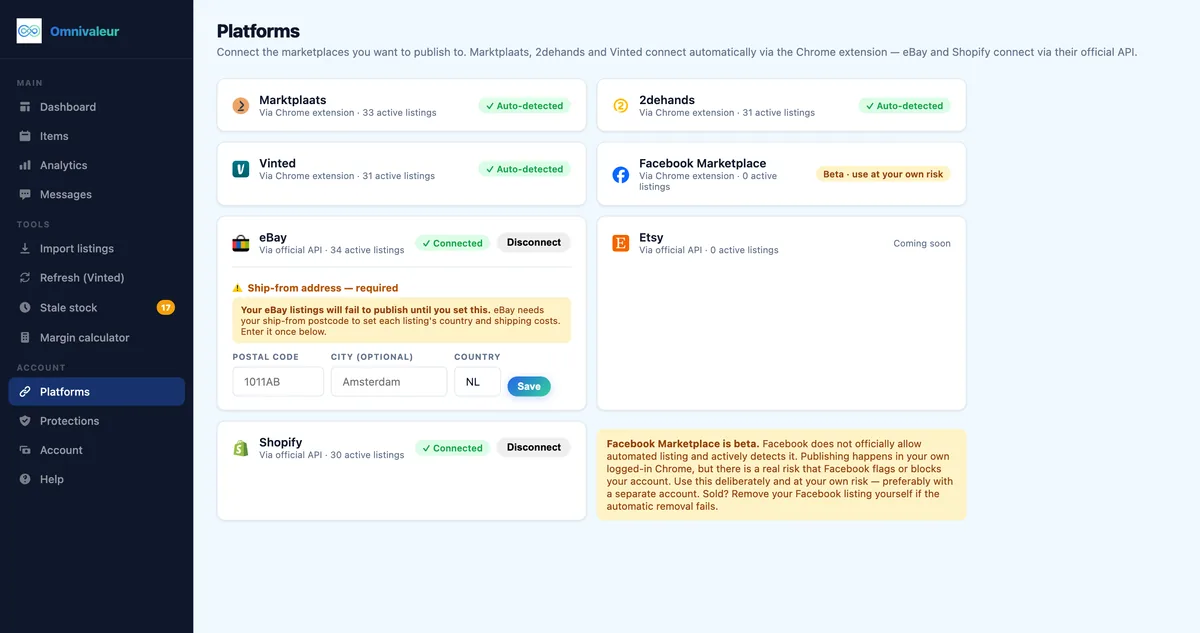
When running a multi-channel inventory strategy, managing stale stock is just as important as managing payment protection. Omnivaleur's stale-stock view flags listings that have been sitting unsold across your connected channels, so slow inventory surfaces instead of sinking down the list, allowing you to reprice or cross-list them elsewhere.
What Should You Do If a Buyer Files a Dispute or Claims Damage?
Receiving a dispute notification can cause instant panic, but keeping a cool head and following protocol will protect your interests. If a buyer claims an item arrived damaged, significantly not as described (SNAD), or missing entirely, the escrow payout freezes immediately.
First, inspect the evidence provided by the buyer through the resolution center. If the item was damaged during transit, check whether you purchased shipping insurance through the carrier. For high-value shipments, always opt for insured shipping tiers. If the buyer claims the item was not working, reference your original listing photographs and description. Professional resellers keep detailed photographic records of item serial numbers and condition states prior to packaging.
When disputes escalate, the platform acts as an impartial mediator based on the tracking data and uploaded evidence. Sellers who maintain clear communication, ship only to verified addresses, and pack items securely win the vast majority of unfounded claims. For deeper insights into operational efficiency when scaling up your reselling business, review our analysis in Omnivaleur vs Crosslist: Honest 2026 Reseller Comparison.
Frequently asked questions
Is buyer protection compulsory for every transaction on Marktplaats?
How long does the buyer have to inspect the item before funds are released automatically?
Can I use Marktplaats buyer protection if I am selling a bulky item with local pickup?
What happens to the protection fee if a transaction is cancelled or refunded?
Does Marktplaats buyer protection cover loss or damage caused by the shipping carrier?
Keep reading

Stop copying listings by hand
Omnivaleur publishes your item to every platform at once and syncs stock automatically when something sells.
Start free trial